Malibu is a single ribbon of coast that changes character with the season. Twenty-one miles of shoreline sit between the Pacific and the Santa Monica Mountains, and the same stretch of Pacific Coast Highway belongs to an entirely different story in February than it does in September. The water warms and cools, the hills turn green and then gold, the crowds arrive and recede. Knowing which version of Malibu you are stepping into changes everything about how you experience it.
What follows is a guide to all four seasons in Malibu, and what each one offers to guests who arrive with intention. A Stay Awhile Villas is where that intention finds its home.
Find Your Season in Malibu
Malibu rewards guests who arrive knowing what they are looking for. Whether you come for the warmest water of the year, the golden clarity of early fall, or the quiet of an empty winter beach, each time of year offers a distinct version of the coast. Here is how to find yours.
For the Golden Sweet Spot: September and October The single best window on the Malibu calendar. The Pacific holds near its warmest, the skies stay clear, summer crowds fade once schools reopen, and villa rates ease well below their July and August peaks.
For Warm Water and Beach Days: June through August Long days, dependable sun, and the warmest ocean of the year. Summer is Malibu at full volume, and it rewards guests who want guaranteed beach conditions and lean into them fully.
For Quiet and Value: November through February The coast belongs to locals again. Rates fall, the beaches empty, the hillsides green after the first rains, and the gray whales pass Point Dume on their way south. A slower Malibu, and for many the most rewarding.
Spring in Malibu: March, April, May
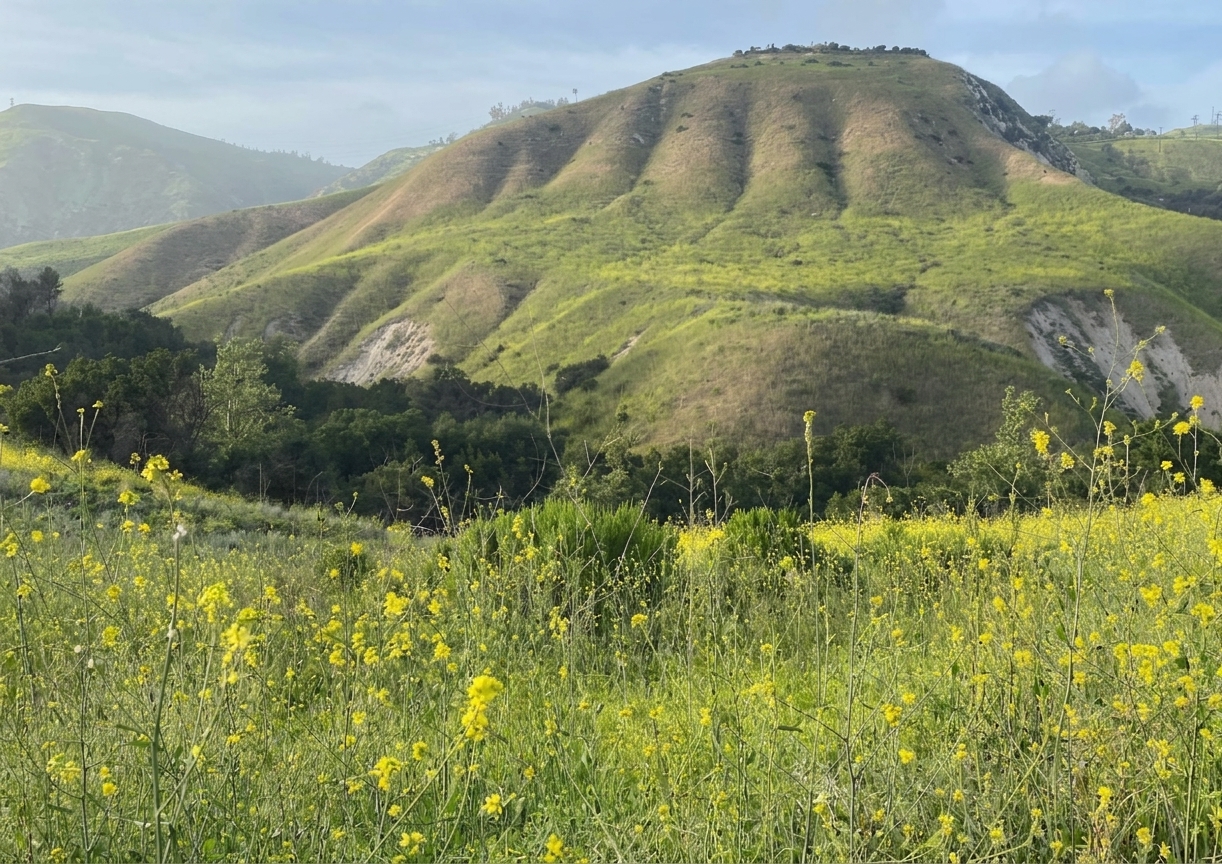
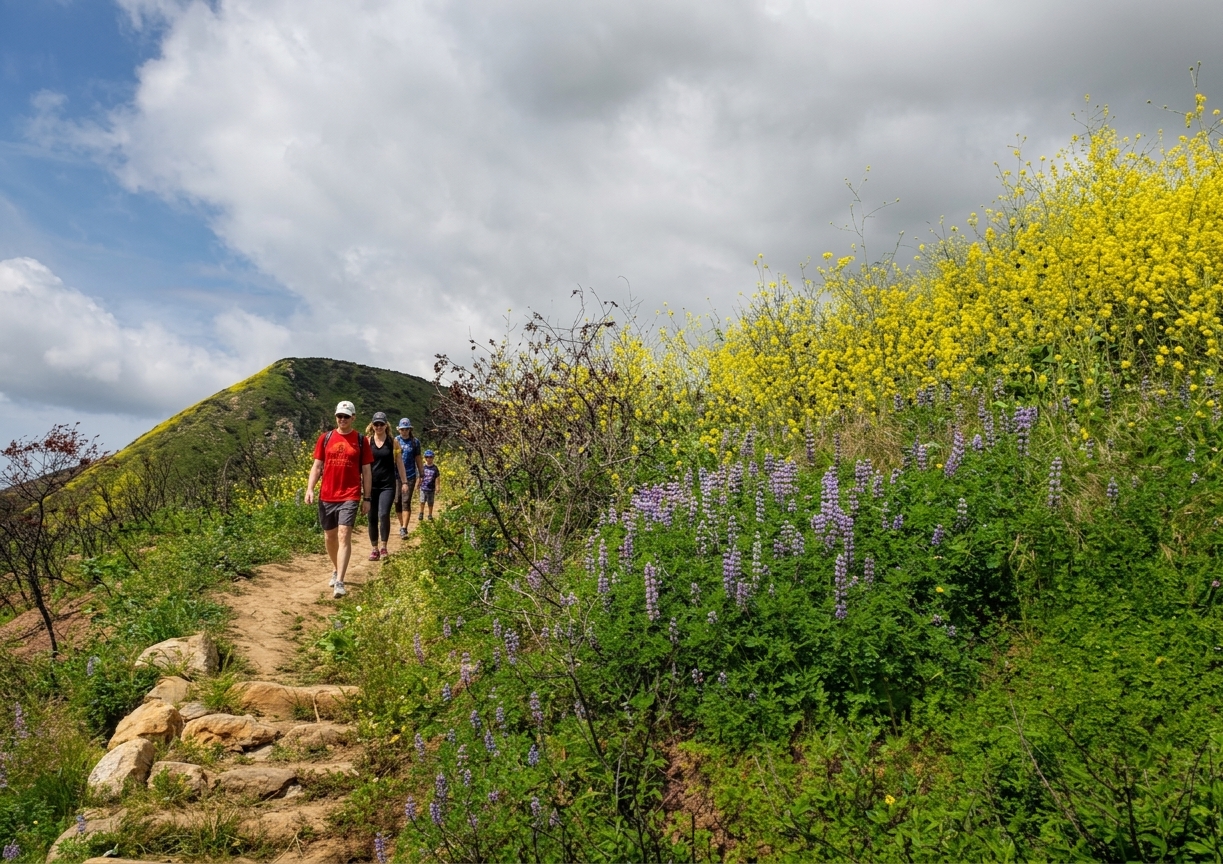
Spring is Malibu at its greenest and least hurried. The winter rains have done their work, the Santa Monica Mountains hold their color into May, wildflowers open across the hillsides above the coast, and the waterfalls run before the dry season sets in. Daytime highs move through the mid to high 60s, rain falls away sharply after March, and the crowds have not yet arrived. The ocean still hovers near 59°F, cool enough to call for a wetsuit, which makes spring the season for the land rather than the water.
This is the time for those who want Malibu at its most alive underfoot, and its trails at their best.
Where to Go in Spring
Solstice Canyon Malibu’s most accessible signature hike is a shady three-mile loop that passes a stone chimney and a small year-round waterfall before climbing back on the Sunrise Trail. March through May is its finest stretch, when the canyon is green and the wildflowers are out. Arrive early on weekends, when the small lot fills quickly.
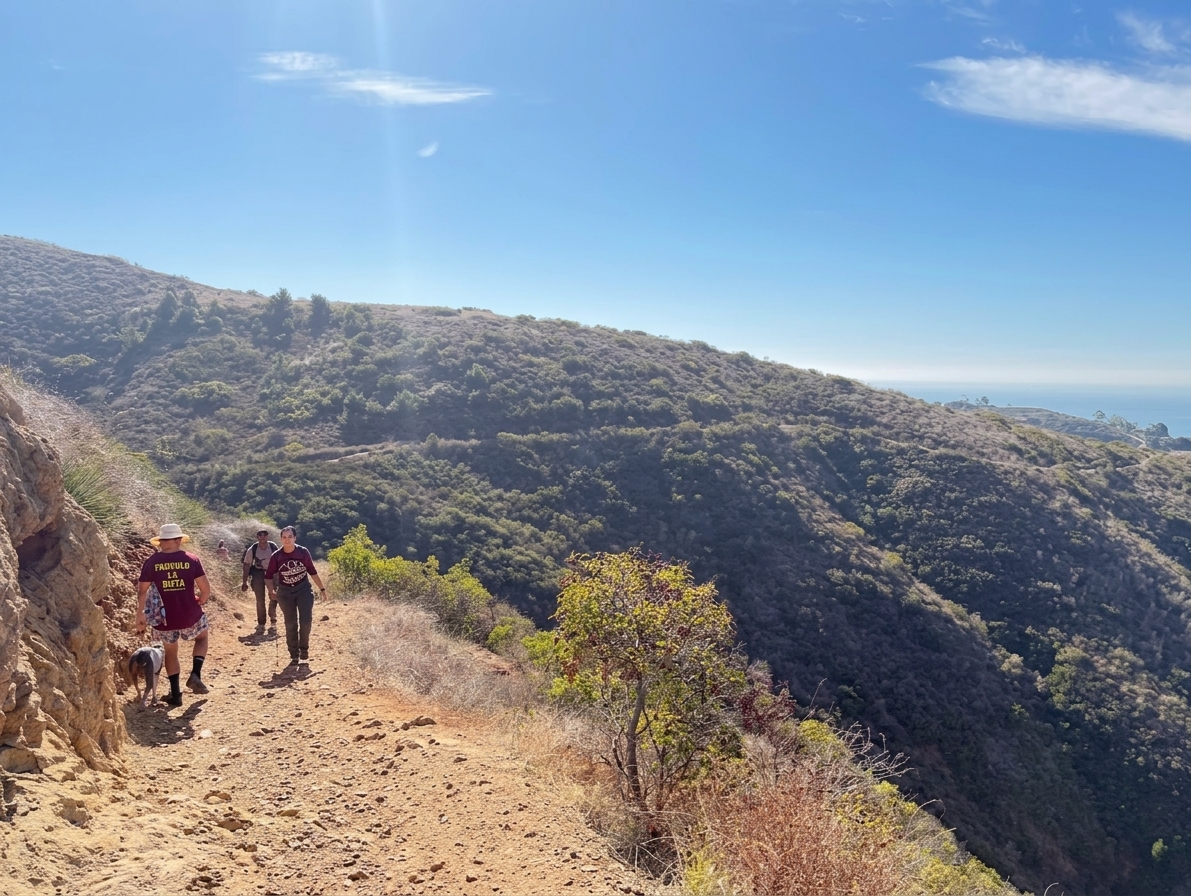
Escondido Falls Malibu’s tallest waterfall drops roughly 150 feet at the end of a mostly easy 3.8-mile round trip, and it runs strongest in late winter and early spring, in the weeks just after rain. The lower falls are gentle enough for families, while the upper falls reward experienced hikers willing to scramble. Come in the morning to have the trail mostly to yourself.
What to Experience in Spring with Stay Awhile
Spring mornings on the coast are made for a guided canyon hike before the day warms, followed by an unhurried lunch and an afternoon in the garden as the hills hold their green. For guests who want to move at the season’s pace, a private chef dinner at the villa turns a long day on the trails into an evening worth staying in for. It is the quietest, most considered version of Malibu, and the season rewards those who let the schedule loosen.
Learn more about all of these experiences that Stay Awhile can add to your Malibu stay.
Summer in Malibu: June, July, August
Summer is Malibu fully committed to the coast. The water climbs above 68°F by August, the sun is dependable, and the beaches, restaurants, and Pacific Coast Highway all fill with the season. June opens under a marine layer, June Gloom, that keeps the mornings cool and gray before burning off to warm, open afternoons. July is the single busiest month on the calendar, and August delivers the warmest water of the year alongside the highest rates.
This is the season for guests who want guaranteed beach days and do not mind sharing the sand.
Where to Go in Summer
Zuma Beach Malibu’s classic long, sandy beach runs 1.8 miles north of Point Dume, with lifeguards, showers, and both a large lot and street parking. July through mid-October is its warmest, sunniest window. Arrive before mid-morning in summer to claim a spot before the lot fills.
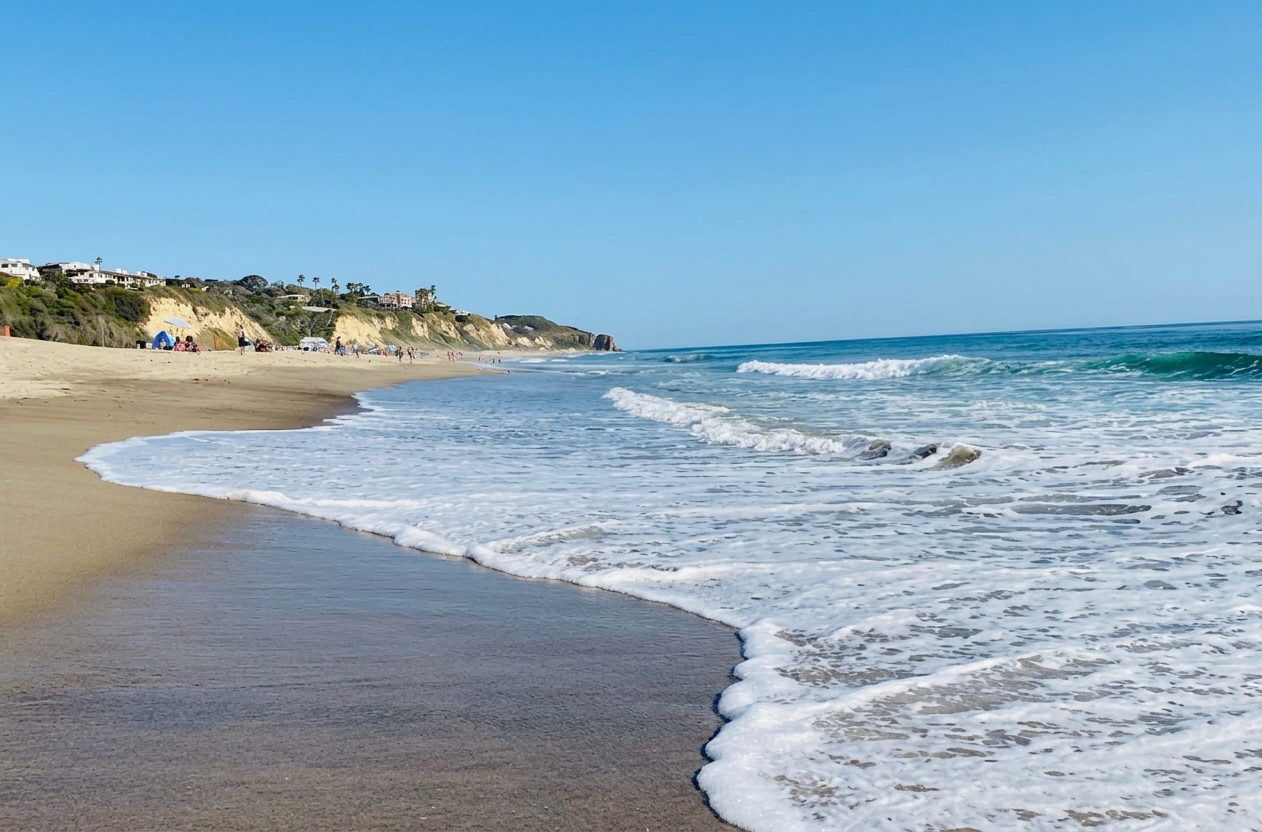
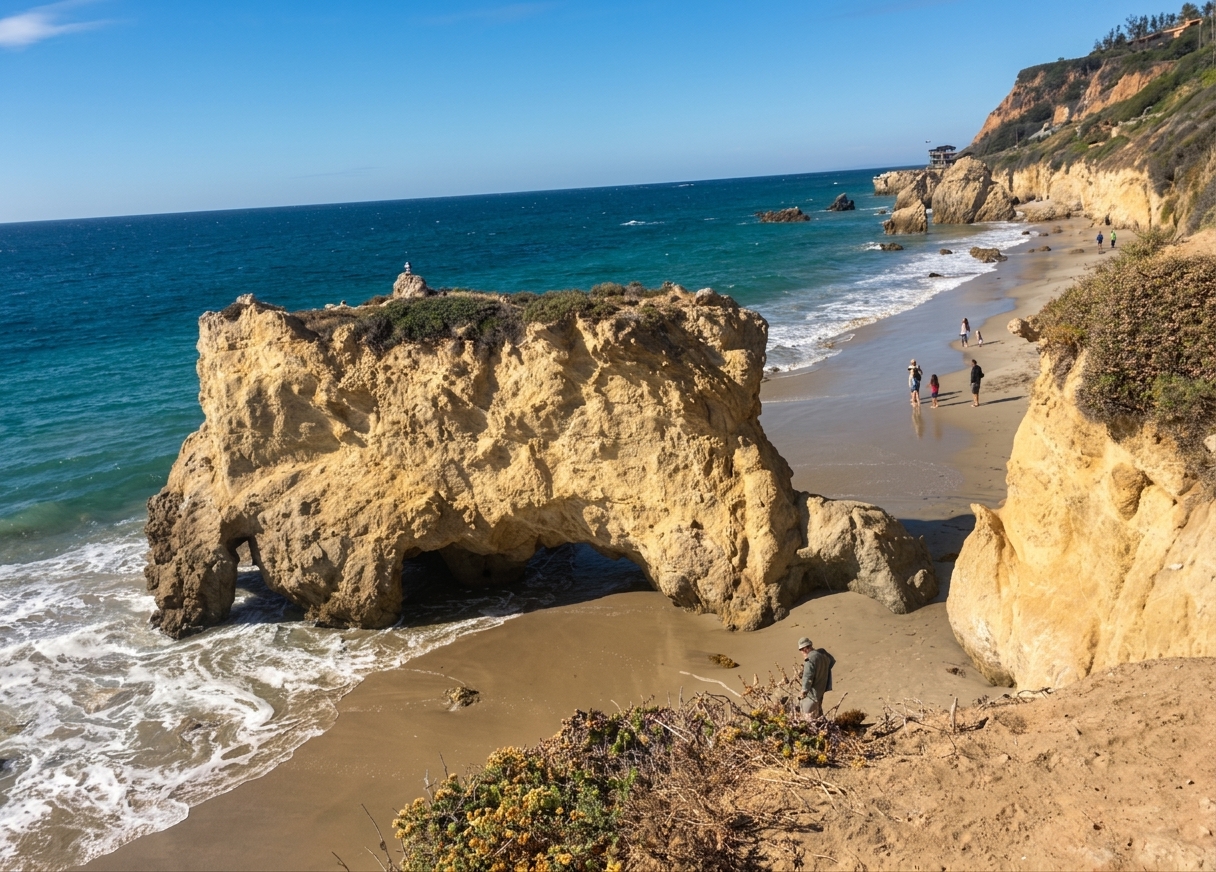
El Matador State Beach The postcard Malibu beach: sea stacks, arches, tide-pool caves, and a steep staircase down from the bluff. It is exceptional in the late afternoon and beloved by photographers year round. Time your arrival at low tide so the caves are walkable, and stay for a sunset that earns its reputation.
What to Experience in Summer with Stay Awhile
Summer in Malibu is best measured from a private pool on a quiet weekday morning, a sunrise surf lesson at Surfrider before the lineup fills, or a long lunch at Paradise Cove with the sand a few steps away. Evenings belong to the water: a table at Nobu Malibu with the waves breaking below, or a private chef dinner on the deck as the sun drops behind the mountains. For families, the summer calendar fills two weeks without repeating a day.
Fall in Malibu: September, October, November
If summer is Malibu at full volume, fall is the version locals consider theirs. September arrives with the warmest water still holding, the clearest skies of the year, and the summer crowds thinning fast once schools reopen. October keeps nearly all of it: warm, dry days, comfortable water, and mornings sharpened by the first Santa Ana winds. By November the coast has emptied, the rates have eased into their winter window, and long stretches of beach belong to almost no one. Temperatures settle from the low 80s in September toward the mid to high 60s by November.
This is, for most guests, the best time to visit Malibu.
Where to Go in Fall
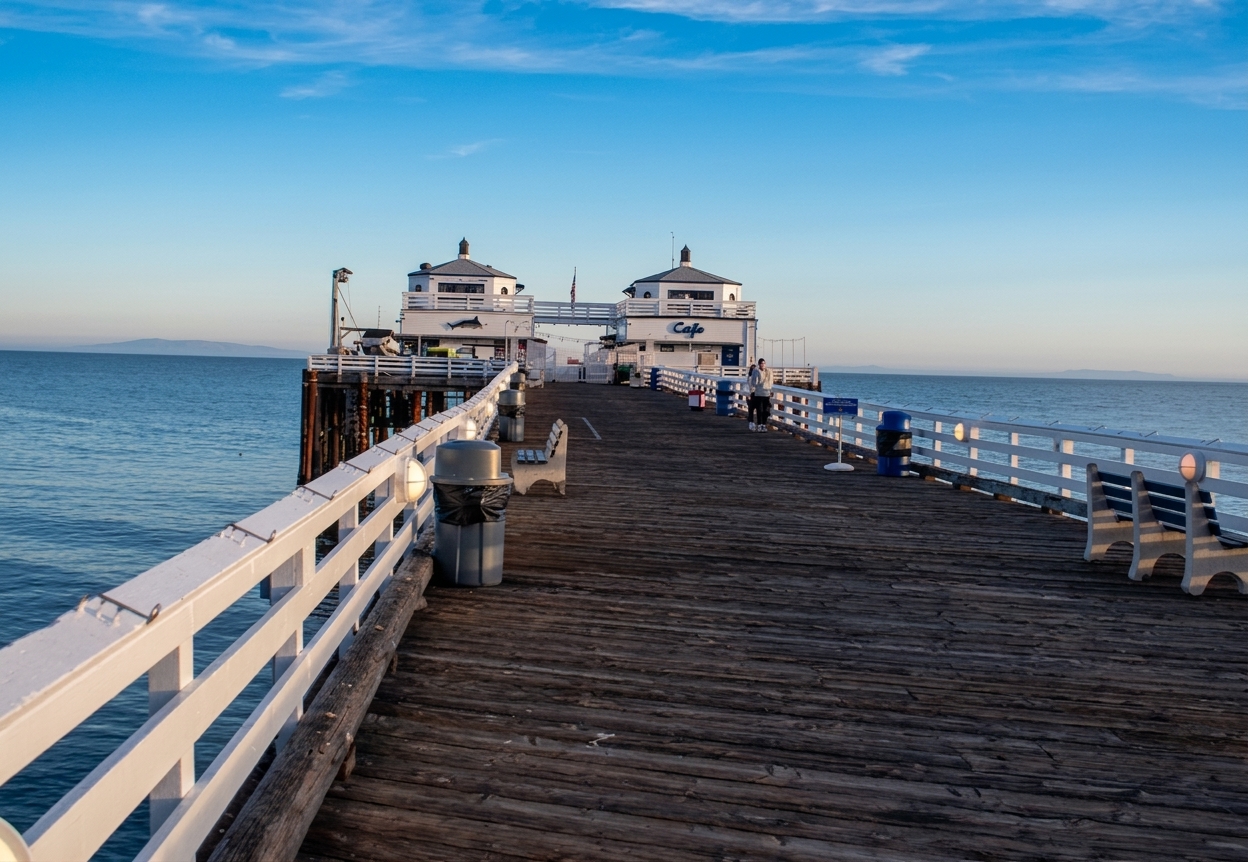
Malibu Pier Built in 1905 and still the visual anchor of central Malibu, the pier is free, walkable, and best near sunset, when golden hour settles over the water and the two restaurants at its end fill with the light. September and October afternoons are its finest.
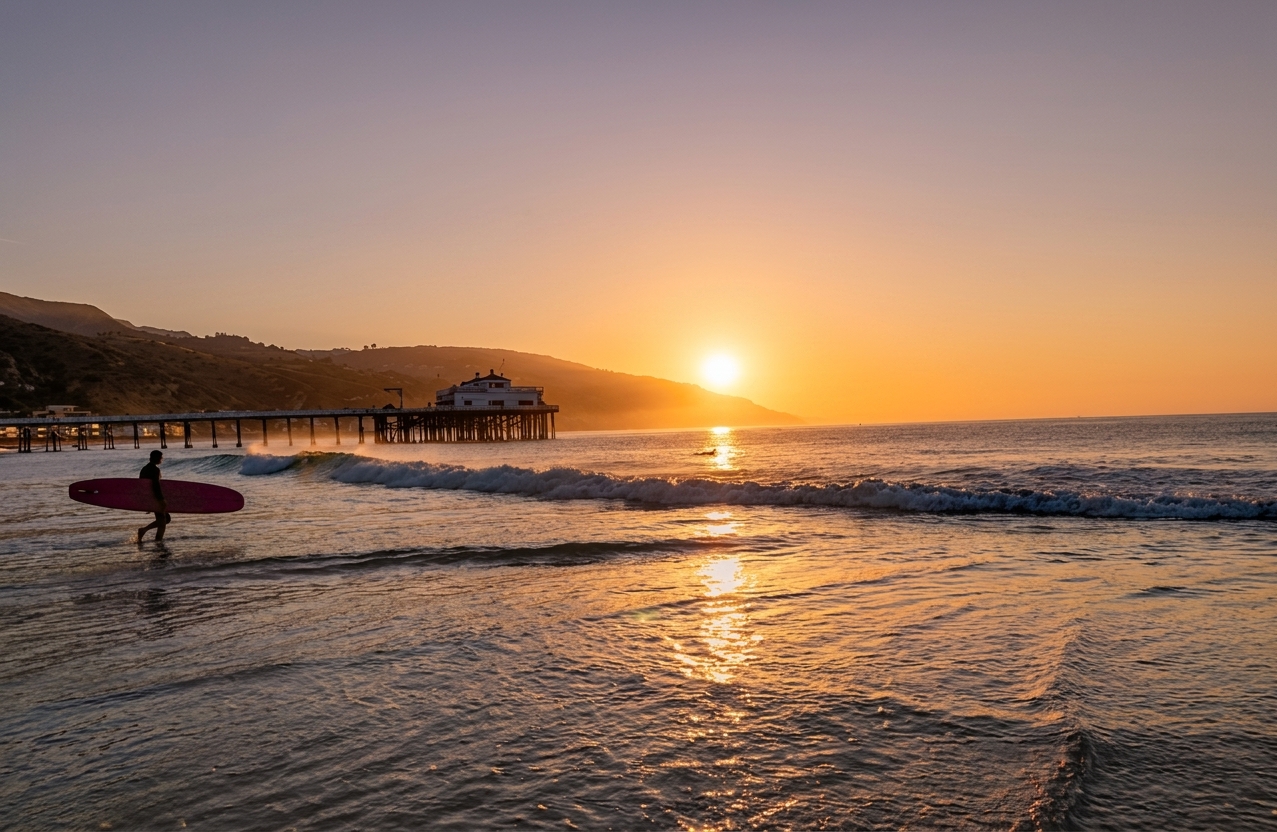
Surfrider Beach The storied surf break beside the pier, now protected as part of Malibu Lagoon State Beach, comes into its best season in fall, with consistent swells, water still around 66°F to 68°F, and thinner lineups than mid-summer. Historic Adamson House sits on the lagoon, and the birdwatching is genuinely good.
What to Experience in Fall with Stay Awhile
Fall is the season Nobu Malibu finally opens up: the reservations that vanish in July and August come within reach in September and October, and there is no better table for sunset. It is also the season for a guided hike to a viewpoint the summer haze never quite allowed, an afternoon wine tasting as the days shorten, and in-home spa treatments that make the villa the destination rather than the base. If you can travel any week other than Labor Day, when the Kiwanis Chili Cook-Off draws crowds into the Civic Center, fall is very hard to beat.
Winter in Malibu: December, January, February
Winter in Malibu is mild in temperature and quiet in character. Daytime highs hold around 64°F, the rains arrive in brief storms rather than sustained gray, and the clear days between systems bring the crispest air of the year. This is the lowest, calmest stretch on the calendar, when rates fall well below their summer peaks and the beaches feel like a secret. It is also gray whale season: from February into March, the migration passes close to shore, and Point Dume is one of the finest land-based viewing perches in Southern California.
Not the season for swimming, but an exceptional one for hiking green hillsides, long coastal walks, tasting rooms, and ocean-view dinners.
Where to Go in Winter
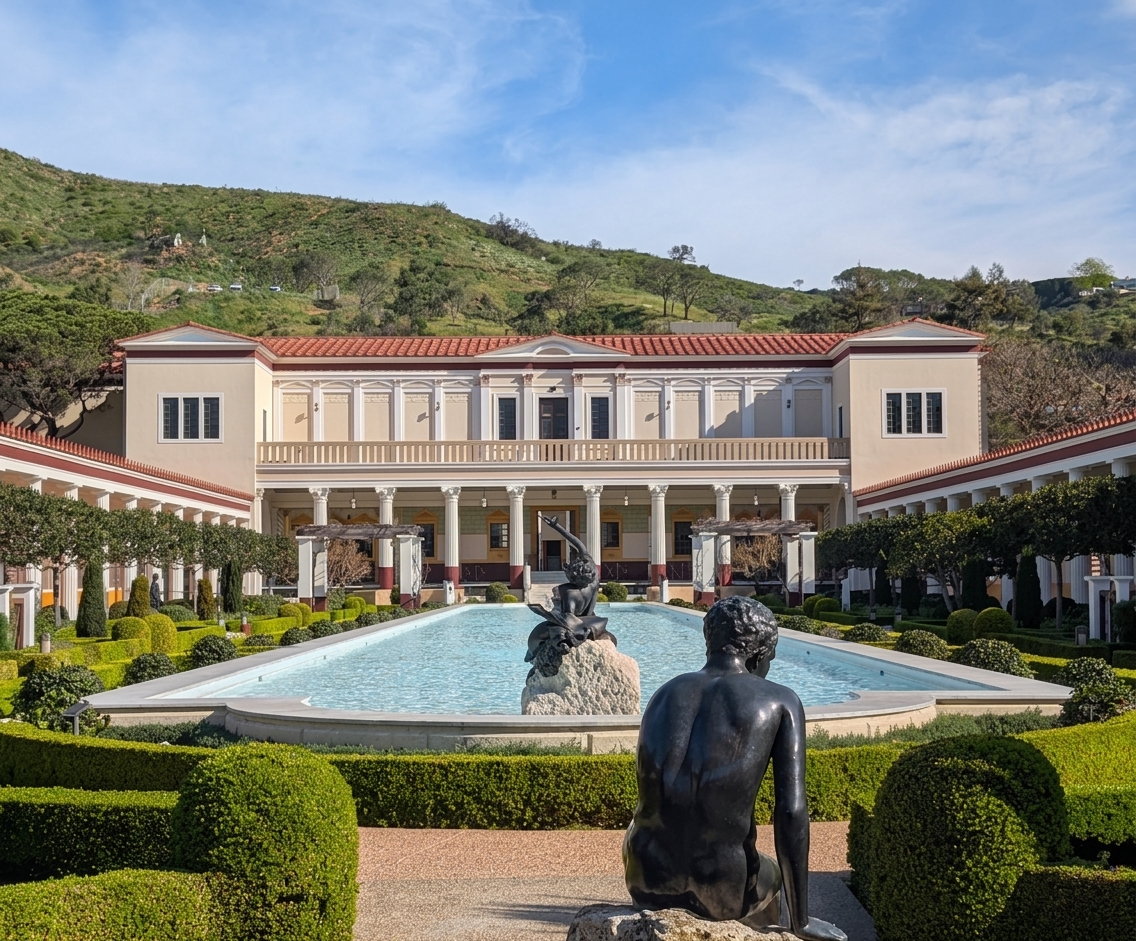
The Getty Villa A Roman-inspired museum on a bluff above the Pacific Coast Highway, a fifteen-minute drive down PCH from central Malibu, the Getty Villa is built to evoke a first-century country house. The antiquities collection is exceptional, admission is free with a timed reservation, and weekday visits feel almost private. It is the ideal choice for a winter day when the rain comes in.
Point Dume State Beach The headland at Point Dume offers the best coastal viewpoint in Malibu, a short cliff-top walk, and the region’s premier land-based whale-watching perch. From mid-February through March, gray whales pass close enough to spot from the bluff. Parking fills fast on clear weekends, so arrive early.
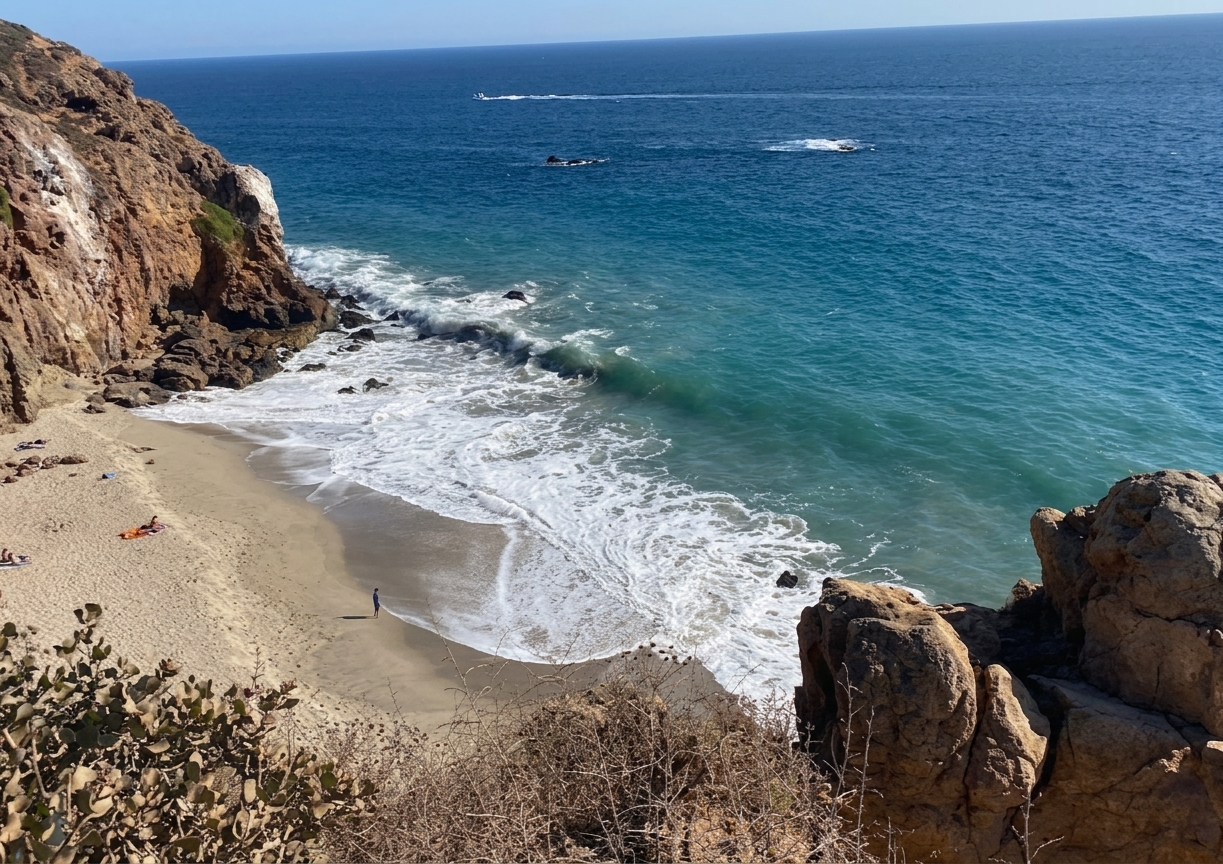
What to Experience in Winter with Stay Awhile
Winter mornings in Malibu are made for slow espresso on the terrace, an in-home spa treatment, and unhurried time in a villa designed to be lived in rather than simply slept in. The season lends itself to the coast at its most private: a green-hillside hike with no one on the trail, a whale-watching morning at Point Dume, and long ocean-view dinners along PCH as the year turns. The concierge handles the details. The season does the rest.
Best Time to Book a Vacation Rental in Malibu
Knowing when to book makes the difference between securing the home you want and settling for what remains. Malibu vacation rentals follow a clear seasonal rhythm, and understanding it is the first step toward a stay that delivers on every level.
Peak Season: July and August, plus the week between Christmas and New Year The coast at its busiest. Demand is highest, oceanfront homes go first, and the best villas go to guests who plan months ahead. Book three to six months out for summer dates.
Shoulder Season: May, June, September, and October The insider window. Availability opens, the homes that feel out of reach in summer become accessible, and the weather in September and October rivals or beats mid-summer. The best version of Malibu for most guests. Book six to eight weeks ahead.
Quieter Season: November through February The coast exhales. Crowds thin, rates fall into their winter window, and a beachfront villa on an empty winter morning, with the whales passing offshore and nothing competing for your attention, is one of the finest versions of Malibu there is.
Your Month-by-Month Guide to Malibu
January: The quietest, cheapest month. Green hillsides after rain, empty beaches, and the crispest air of the year between storms.
February: Peak gray whale season at Point Dume, low rates, and long hikes on hills at their greenest.
March: The single best month for hiking. The mountains are at their greenest, the waterfalls run, and rain falls away.
April: Wildflowers on the hillsides, whales lingering into early April, and mild, uncrowded days before the season turns.
May: The best value month. Warm afternoons, easy parking, and shoulder-season rates right up to Memorial Day.
June: June Gloom in the mornings, warm afternoons, and the water beginning its climb. The second busiest month, with prices rising.
July: Classic California beach weather and the single busiest month. Guaranteed sun, warm water, and peak crowds and rates.
August: The warmest water of the year, the most reliable sun, and the highest prices. The month for pure beach days.
September: The golden month. Warm water, clear skies, and summer crowds fading once schools reopen. The best time to visit.
October: Peak weather with fewer people. Warm, dry days, sharp Santa Ana mornings, and shoulder rates on premium homes.
November: Locals’ Malibu. Empty beaches, mild days, and the winter budget window opening. A photographer’s month.
December: Cool but rarely cold, festive, and mild. Low crowds outside the holiday week, and ocean-view dinners along PCH.
Your Home in Malibu Awaits
Whichever season brings you to Malibu, the right address makes all the difference. Stay Awhile Villas curates a collection of private residences along the coast, from beachfront estates in Carbon Beach and Broad Beach to cliff-top villas on Point Dume and canyon retreats a few minutes inland, each with concierge services from private chefs to spa treatments.
Explore the Stay Awhile Villas Malibu collection and begin planning your stay.
%202.47.57%E2%80%AFp.m..png)
Frequently Asked Questions
What is the best month to visit Malibu?
September, with early October a very close second. The Pacific holds near its warmest of the year around 68°F, the skies stay clear, the summer crowds fade once schools reopen, and villa rates drop noticeably from their July and August peaks. Locals often consider the two months interchangeable.
What is the cheapest time to visit Malibu?
January and February carry the lowest rates of the year, followed closely by non-holiday weeks in November and early December. Expect mid-range rates well below their summer figures, when peak oceanfront homes run highest.
Is Malibu worth visiting in winter?
Very much so, if you value quiet, hiking, whale-watching, and low rates over swimming. Winter highs still average around 64°F, the hillsides turn green after the rains, and Point Dume is among the best land-based gray whale viewing spots in Southern California from February through March.
How many days should you spend in Malibu?
Three to four days is a strong first visit, enough for the major beaches, a hike or two, a landmark dinner, and the Getty Villa without feeling rushed. A full week lets you explore beyond Point Dume and settle into the pace Malibu genuinely rewards.
When is the best time for surfing in Malibu?
September through November, for the best combination of consistent swells, water still around 66°F to 68°F, and thinner lineups at Surfrider than in mid-summer. Winter storms can bring dramatic surf, though they call for a full wetsuit.
Does it rain much in Malibu?
Not by most standards. Malibu averages around 17 inches a year, almost all of it between November and April, with January and February the wettest. May through October are essentially dry.